

Description
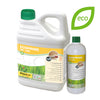
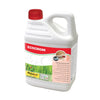
Deep Clean All Acid Safe Surfaces With The Magic Faber Deterfug Acidic Floor Cleaner slightly acidic floor cleaning detergent suitable for deep cleaning it will remove dirt from marble, terrazzo, ceramic, porcelain, tiles safe to use on polished and unpolished surfaces (including sealed) Deterfug is highly concentrated, very efficient & very cost effective suitable for domestic and commercial heavy duty floor cleaning to be used with a standard mopping system or a flat mop (wet use) highly recommended for deep cleaning grout and high traffic floors Faber Deterfug Acidic Floor Cleaner | Safety Information Suitable for professional use. Always follow the manufacturer's instructions and safety guidelines. Suitable eye protection and gloves should be used. Store in a safe place out of reach of children. A Look At The Faber Deterfug With surface care, different issues come into play. First, not all dirt is equal. There are organic and inorganic types, where different cleaning products are needed. Then there is the types of surface involved. You want a product that will attack the dirt without ruining the underlying surface. The speed of cleaning also factors in. After all, you don’t want to spend ages dealing with dirt spots- no matter how difficult they are to remove. A fast and effective solution is needed. Faber has provided different formulations to address specific situations for surface care in both residential and commercial environments. When it comes to the oily and inorganic grime, turn to slightly acidic Faber Deterfug. A Deep and Quality Clean Faber Deterfug effectively dissolves stubborn dirt on surfaces, including rough materials and porous areas, making it ideal for removing grime, oil, and mineral spots. It can be left on surfaces for hours without damaging floor coverings and accelerates cleaning by quickly dissolving dirt, ensuring quality results. Shorten with AI The specific formulation of the Faber Deterfug is tough on the gunk, but gentle on the material being worked on, which gives it extended versatility. It can be applied on slate, glazed ceramics, sandstone, concrete, granite, porcelain stoneware (lapped, natural, polished and textured), quartzite, tuff, porphyry, molten basalt, clinker, granite, and basaltina-lava stone surfaces. Note that it is not suitable for the polished lime-based materials, like marble, marble-resin and marble-cement agglomerates, travertine and limestone itself. However, you can still use it on the unpolished limestone surfaces where its gentle formulation and scale removing action will prove quite handy. How to Use The Faber Deterfug Since the formulation targets the deep and stubborn soiling, the dust and loose particles on the surface can first be swept or vacuumed off. Once this is done, follow these steps: Divide up the working area. Here, the main factor to consider is how absorbent the surface being worked on is. With the highly absorbent materials- like terracotta and cotto, it's recommended that you work on sections of 4 - 5m2 at a time. This is to prevent the formulation from completely penetrating into the surface, as it would come in the way of it delivering on its mandate. For the materials that have low levels of absorption, like ceramic tiles and stoneware, you can increase the size of the sections being treated. Prepare the solution being used. The Faber Deterfug is a concentrated product, and is diluted with clean water before application. You can also use it undiluted, depending on the needs of your particular situation. For instance, with the really stubborn dirt and surface film that dwelt on the surface for long, do not dilute it. If it’s for the regular cleaning and routine floor maintenance, you can dilute it to 10% (a 1:9 ratio). On the other hand, for the cases where you’re dealing with large amounts of dirt, then diluting to 30% will suffice (1 part of Faber Deterfug for every 2 parts of water). Apply the solution onto the surface. Different tools can be used here. Popular options include large brushes, and the single-disc machine for floors. Cloths and mops are also suitable. Your choice would depend on what area you’re working on e.g. floor or countertop, and the tool that is most convenient to your needs. Whichever the case, ensure that you have spread the solution evenly onto the surface. Allow it to stand in the area for 10-15 minutes. It is during this time that it’s dissolving action kicks in, which will enable the residue to be removed. Mechanical action by passing over the area with the brush or single disc machine will also boost this process. However, this should be done at regular time intervals. Pour clean water onto the surface, forming an emulsion with the rest of the solution that is on the floor. Use the brush or single disc machine to distribute the water, and then proceed to clean off the residues from the surface. It’s recommended that you work with a liquid vacuum cleaner. For the smaller surface a